

Ever been confused between NO and NC switches? You’re not alone! These two common switch types are easy to mix up, but mastering their difference is key for electrical work, DIY projects, or even daily equipment maintenance.
Let’s break it down simply! The following pictures of Plunger Seat Safety Switch are for your reference.
First, remember the basics:
- NO = Normally Open. In its normal state (not pressed, not activated), the switch is open—no current flows through it. It closes and conducts electricity only when pressed or triggered.
- NC = Normally Closed. In its normal state (not pressed, not activated), the switch is closed—current flows through it. It opens and cuts off electricity only when pressed or triggered.
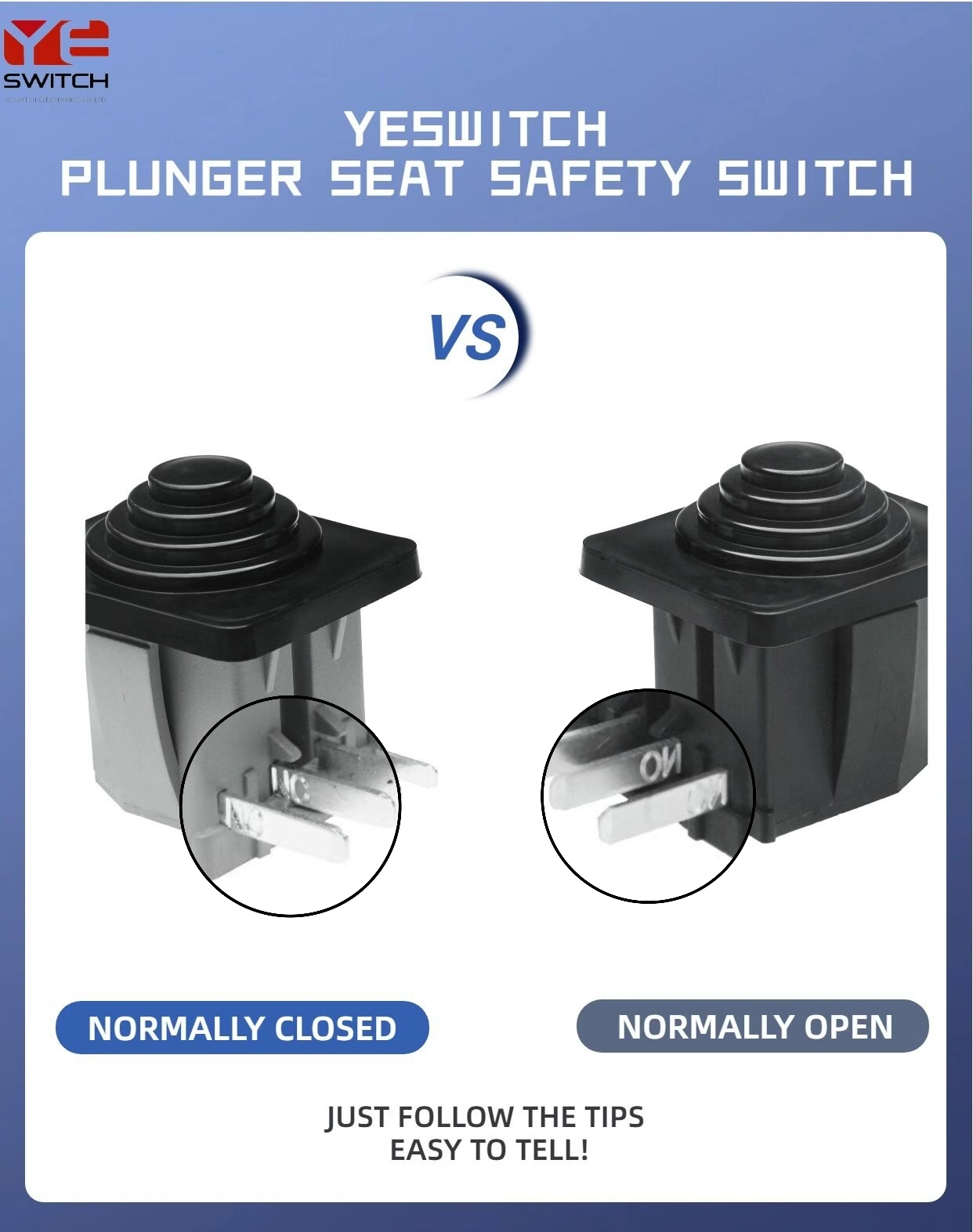
Quick Identification Tips (Super Easy!):
1.Check the Label – Most switches have “NO” or “NC” printed on the terminals (along with “COM” = common terminal). This is the fastest way! Just as the above picture of YESWITCH Plunger Safety Switch shows.
2. Use a Multimeter – Set it to the continuity/beep mode. When the switch is not pressed: - Beep (continuous) = NC (closed normally) - No beep (no continuity) = NO (open normally)
3. Remember the Mantra: “Normal closed = NC (always on unless pressed); Normal open = NO (always off unless pressed)”
Why does this matter? NO switches are great for start/trigger functions (e.g., a button that turns on a light when pressed). NC switches are perfect for protection/emergency stops (e.g., a safety switch that cuts power if triggered).
Save this post for your next project—no more mixing up NO and NC! Tag a colleague or friend who needs this tip too.