

First, understanding the IP waterproof level standard is key. The two digits after the IP determine the waterproof performance. The first digit indicates the dustproof level, which gradually increases from 0 to 6; the second digit represents the waterproof level, which continuously increases from 0 to 8. For example, the common IP67 level can completely protect against airborne dust and will not be damaged at a position of about 1 meter underwater at normal temperature for about 30 minutes. For scenes like ordinary kitchen appliances and bathroom light switches that occasionally come into contact with water and have low water pressure, IP67 can usually meet the needs. As the highest waterproof level, IP68 can be used for a long time in a more severe underwater environment, and is suitable for swimming pool underwater light switches, deep-sea detection equipment, etc.

Secondly, it is indispensable to consider the use environment. Humidity and moisture conditions have a significant impact on the choice of waterproof level. If there is only occasional water splashing, such as near an ordinary indoor humidifier, IP65 may be enough; but in an environment with high humidity or frequent water flow, such as an outdoor fountain control switch, a higher waterproof level is required. Temperature changes also need to be paid attention to. In cold storage or high-temperature workshops, the switch must not only be waterproof, but also maintain sealing performance and normal operation under temperature changes. At the same time, pressure and impact force cannot be ignored. For industrial equipment or sports equipment, it is necessary to choose switches with pressure-resistant and impact-resistant structural designs and waterproof levels that adapt to the environment.
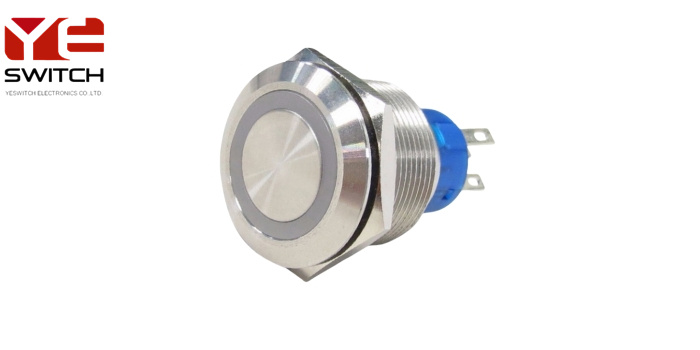
In addition, it is very important to clarify the equipment requirements. Different types of equipment have different requirements for waterproof push button switches. For general consumer electronic products such as mobile phones and tablets, IP67 may meet daily waterproof needs; while professional underwater photography equipment or navigation equipment must be IP68 grade. Some specific industries or scenarios have strict safety standards and regulatory requirements, such as medical equipment and fire-fighting equipment. The selection of waterproof push button switches must meet relevant certification requirements to ensure equipment reliability and user safety.
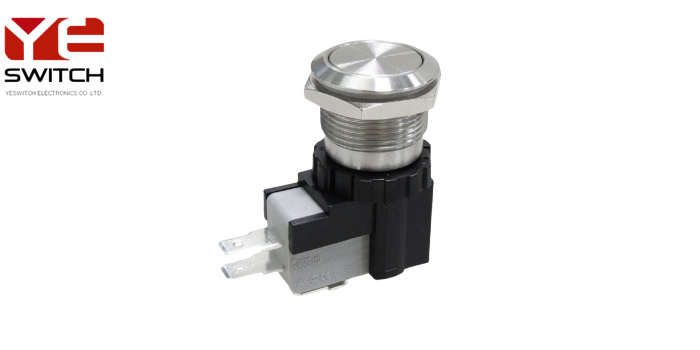
Finally, checking certification and quality is a guarantee. High-quality waterproof push button switches usually have a series of certifications, such as ROHS regulations, SGS certification, VDE/DEMKO/KEMA, UL/CSA and other certifications. These certifications are a guarantee of product quality and waterproof performance, especially for export products. Choose a switch from a well-known brand with a good reputation for quality. You can learn about the brand quality by reading reviews, consulting professionals, or referring to other people's experience. If you have any doubts, you can also ask the supplier for samples for actual testing to simulate the use environment to check whether the waterproof effect meets expectations.
In short, the waterproof level of the waterproof push button switches should be comprehensively considered in the use environment, equipment requirements, certification status, etc. to ensure that the appropriate product is selected to ensure the normal operation and safe use of the equipment. If you are not sure, it is recommended to consult a professional electrical engineer or relevant technician.